
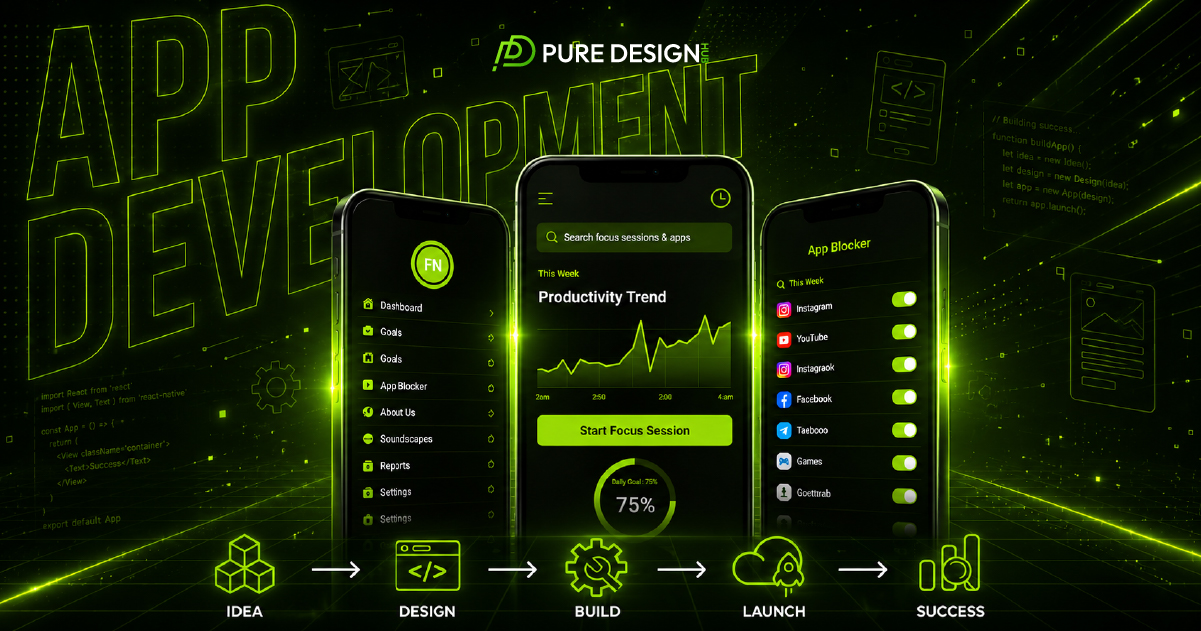



Mobile applications have become an essential part of modern business operations. From improving customer engagement to creating new revenue streams, mobile apps help companies connect with their audiences in ways that traditional websites often cannot. Whether you’re a startup with a new idea or an established company looking to expand your digital presence, understanding the mobile app development process is crucial for success.
A successful mobile application is not built overnight. It requires careful planning, research, design, development, testing, and ongoing maintenance. Following a structured development process helps businesses reduce risks, manage costs, and create applications that deliver real value to users.
In this guide, we’ll walk through every stage of the mobile app development process, from the initial idea to launching your app and maintaining it for long-term growth.
What Is Mobile App Development?
Mobile app development is the process of creating software applications designed to run on smartphones, tablets, and other mobile devices. These applications can be built for specific operating systems or designed to work across multiple platforms.
Businesses invest in mobile app development to improve customer experiences, streamline operations, increase brand visibility, and generate revenue through digital products and services.
Types of Mobile Applications
Native Apps
Native apps are developed specifically for a single operating system, such as iOS or Android. They offer excellent performance, better security, and seamless integration with device features.
Cross-Platform Apps
Cross-platform apps use a single codebase to run on multiple operating systems. This approach can reduce development costs and speed up project timelines.
Web Apps
Web applications operate through mobile browsers and do not require installation from an app store. They are often more affordable but may have limited functionality compared to native apps.
Stage 1: Research and Idea Validation
Every successful mobile application begins with thorough research and validation.
Many businesses make the mistake of jumping directly into development without confirming whether there is actual demand for their idea. This often leads to wasted resources and poor user adoption.
Market Research
The first step is understanding your target market.
Key questions include:
- Who are your ideal users?
- What problems are they facing?
- What solutions already exist?
- What market trends are influencing demand?
Conducting market research helps identify opportunities and ensures your app solves a real problem.
Competitor Analysis
Analyzing competing applications can reveal valuable insights.
Review competitor apps to understand:
- Core features
- User experience
- Customer reviews
- Strengths and weaknesses
- Monetization strategies
This information can help differentiate your application from existing solutions.
User Needs Assessment
Understanding user expectations is critical.
Methods such as surveys, interviews, focus groups, and customer feedback can help identify the features and functionality users value most.
Stage 2: Defining App Requirements
Once the concept has been validated, it’s time to define the project requirements.This stage creates a clear roadmap for the development team and stakeholders.
Features and Functionality
List all features the application should include.
Examples may include:
- User registration
- Push notifications
- Payment processing
- In-app messaging
- Location services
- Analytics dashboards
Prioritize features based on user needs and business goals.
User Stories
User stories help developers understand how users will interact with the application.
For example:
“As a customer, I want to save my payment information so I can complete purchases faster.”
These scenarios guide development and ensure the app focuses on user experience.
Project Scope
A clearly defined scope helps prevent delays and budget overruns.
The scope should include:
- Features
- Platforms
- Timeline
- Budget
- Technical requirements
- Deliverables
Stage 3: UI/UX Design
User experience often determines whether an app succeeds or fails.
A well-designed interface makes navigation intuitive and encourages long-term engagement.
Wireframes
Wireframes serve as the blueprint for the application.They outline page layouts, navigation structures, and content placement before visual design begins.
User Flows
User flows map the journey users take within the application.These diagrams help identify friction points and ensure users can complete tasks efficiently.
Prototypes
Interactive prototypes allow stakeholders to experience the app before development starts.This helps gather feedback early and reduce costly changes later in the project.
Stage 4: Mobile App Development
After design approval, the actual development process begins.
Frontend Development
Frontend development focuses on the user-facing elements of the application.Developers build interfaces, animations, navigation systems, and interactions users see and use daily.
Backend Development
The backend powers the functionality behind the scenes.
Backend development typically includes:
- Servers
- APIs
- Authentication systems
- Business logic
- Cloud infrastructure
A robust backend ensures scalability and reliability.
Database Integration
Most applications rely on databases to store and manage information.
Examples include:
- User profiles
- Product data
- Transaction records
- Application settings
Efficient database architecture supports performance and data security.
Stage 5: Testing and Quality Assurance
Testing is one of the most important stages of the mobile app development process.
Even small issues can negatively impact user satisfaction and app store ratings.
Functional Testing
Functional testing verifies that every feature works as intended.
Examples include:
- Login systems
- Forms
- Payment gateways
- Notifications
Performance Testing
Performance testing measures:
- App speed
- Responsiveness
- Stability
- Load handling
Users expect applications to perform consistently across devices and network conditions.
Security Testing
Security is essential for protecting sensitive information.
Testing should identify vulnerabilities related to:
- Data storage
- Authentication
- Encryption
- API access
Strong security practices help build user trust and ensure compliance with industry regulations.
Stage 6: App Deployment
Once testing is complete, the application is ready for release.
App Store Submission
For iOS applications, developers submit the app to Apple’s review process.
The review includes:
- Performance checks
- Security requirements
- User experience standards
- Policy compliance
Google Play Submission
Android applications are submitted through the Google Play Store.
Developers must prepare:
- App descriptions
- Screenshots
- Privacy policies
- Store optimization assets
Proper app store optimization can improve visibility and downloads after launch.
Stage 7: Maintenance and Updates
Launching an application is only the beginning.Continuous maintenance ensures the app remains functional, secure, and competitive.
Bug Fixes
No application is completely free from issues.Regular updates address bugs discovered by users or development teams.
Feature Enhancements
As user expectations evolve, businesses often introduce new functionality to improve engagement and retention.
Security Updates
Cybersecurity threats continue to evolve.Routine security updates help protect user data and maintain platform compliance.
How Much Does Mobile App Development Cost?
Mobile app development costs vary significantly depending on project complexity and business requirements.
Common factors affecting pricing include:
- Number of features
- Platform selection
- Design complexity
- Third-party integrations
- Development team expertise
- Security requirements
A simple application may cost significantly less than a complex enterprise-level platform with advanced integrations and custom functionality.
Timeline Considerations
Development timelines typically depend on:
- Project scope
- Team size
- Feature requirements
- Testing cycles
- Revision requests
Most professional projects require several months from planning to launch.
Why Businesses Choose Professional Mobile App Development Services
Professional development services provide expertise, technical knowledge, and proven processes that help businesses avoid costly mistakes.
Benefits include:
- Strategic planning
- User-focused design
- Scalable architecture
- Advanced security
- Quality assurance
- Ongoing support
Working with experienced developers increases the likelihood of launching a successful application that delivers measurable business results.
Conclusion
The mobile app development process involves much more than coding. From validating an idea and defining requirements to designing, developing, testing, launching, and maintaining an application, every stage plays a critical role in achieving success.
Businesses that follow a structured development approach are more likely to create applications that meet user expectations, support business objectives, and generate long-term value.
If you’re planning to build a mobile application in 2026, Contact us today to discuss your mobile app project and take the first step toward bringing your idea to life.