
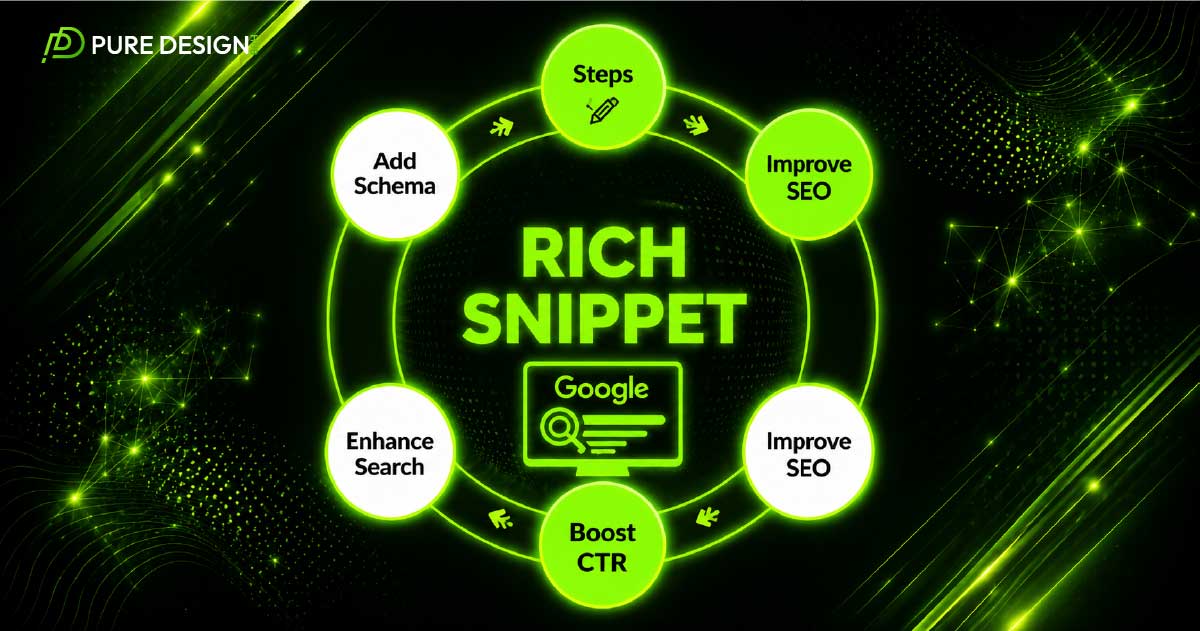



When you search for something on Google, you may notice that some search results stand out more than others. Instead of displaying only a page title, URL, and meta description, certain results include additional information such as star ratings, FAQs, product prices, cooking times, event dates, or business details. These enhanced search listings are known as rich snippets.
Rich snippets are created using structured data markup that helps search engines better understand the content on a webpage. By providing additional context, website owners can improve the appearance of their search listings and potentially increase click-through rates.
As search engines continue to focus on delivering the most relevant and useful information, rich snippets have become an important component of modern SEO strategies. They help users quickly identify relevant content while allowing businesses to gain more visibility in search results.
In this guide, we’ll explore what rich snippets are, the different types available, their SEO benefits, testing tools, and how they differ from rich results.
Types of Rich Snippets
Rich snippets can appear in various formats depending on the type of content and the structured data implemented on a webpage.
Review and Rating Snippets
Review snippets display star ratings, review counts, and customer feedback directly in search results. These are commonly used by ecommerce stores, local businesses, software companies, and service providers.
For example, a product page may show a 4.8-star rating along with the number of customer reviews, helping users evaluate credibility before clicking.
Product Snippets
Product rich snippets provide information such as:
- Product name
- Price
- Availability
- Reviews
- Ratings
These snippets are especially valuable for ecommerce websites because they allow shoppers to compare products directly from search results.
FAQ Snippets
FAQ snippets display commonly asked questions and answers beneath a search result.
This format helps users find quick answers without visiting multiple pages and can significantly increase the amount of search result real estate occupied by a website.
Recipe Snippets
Recipe rich snippets are popular among food blogs and cooking websites. They can display:
- Cooking time
- Preparation time
- Calories
- Ratings
- Ingredients
These details help users quickly determine whether a recipe meets their needs.
Event Snippets
Event snippets provide information about upcoming events, including:
- Event name
- Date
- Time
- Location
These snippets are commonly used by event organizers, conference websites, and entertainment businesses.
Video Snippets
Video rich snippets can display:
- Video thumbnail
- Duration
- Upload date
- Creator information
These snippets often attract attention and improve click-through rates for video-focused content.
Organisation Snippets
Organization schema helps search engines understand information about a company, including:
- Business name
- Logo
- Contact information
- Social profiles
This information can contribute to stronger brand visibility in search results.
Breadcrumb Snippets
Breadcrumb snippets replace standard URLs with a structured navigation path that shows users where the page sits within the website hierarchy.
For example:
Home > SEO Services > Technical SEO
This improves user experience and provides additional context to search engines.
How-To Snippets
How-to snippets are commonly used for instructional content. They can display step-by-step guidance directly in search results, making them useful for tutorials and educational content.
Do Rich Snippets Help SEO?
One of the most common questions among website owners is whether rich snippets directly improve search rankings.
The answer is both yes and no.
Rich Snippets Are Not a Direct Ranking Factor
Google has stated that structured data itself does not directly improve rankings. Simply adding schema markup will not automatically move a page to the top of search results.
However, rich snippets can contribute to several indirect SEO benefits.
Improved Click-Through Rate
Rich snippets make search listings more visually appealing and informative.
When users see additional information such as ratings, prices, FAQs, or event details, they are more likely to click on that result instead of a standard listing.
Higher click-through rates can increase organic traffic and improve overall search performance.
Better Search Visibility
They occupy more space within search results, making listings more noticeable compared to competitors.
This enhanced visibility can help brands attract more attention even when ranking alongside larger competitors.
Enhanced User Experience
Structured data helps search engines better understand webpage content, which can improve how content is presented to users.
When users quickly find the information they need, engagement metrics often improve.
Increased Trust and Credibility
Displaying reviews, ratings, and other relevant information directly in search results can increase user confidence before they visit the website.
Trust signals play an important role in attracting qualified visitors.
Support for Semantic SEO
Rich snippets align closely with semantic SEO because they help search engines understand entities, relationships, and contextual information.
This improved understanding can strengthen a website’s topical relevance and overall search presence.
Rich Snippets Testing Tool
Implementing structured data is only the first step. It’s equally important to validate your markup to ensure search engines can read it correctly.
Several tools can help website owners test rich snippets and structured data.
Google Rich Results Test
Google’s Rich Results Test is one of the most widely used tools for validating structured data.
It allows users to:
- Test live URLs
- Test code snippets
- Identify schema errors
- Preview eligible rich results
This tool helps determine whether a page qualifies for rich result features in Google Search.
Schema Markup Validator
The Schema Markup Validator is another valuable tool for checking structured data implementation.
It validates schema according to Schema.org standards and identifies syntax issues that may prevent proper interpretation.
Google Search Console
Google Search Console provides reports on structured data performance and identifies errors or warnings associated with rich results.
Website owners can monitor:
- Valid schema items
- Invalid markup
- Enhancement reports
- Rich result eligibility
Regular monitoring helps ensure structured data remains properly implemented.
Common Rich Snippet Errors
Some of the most common issues include:
- Missing required properties
- Invalid schema types
- Incorrect nesting of schema elements
- Outdated markup
- Structured data that does not match visible page content
Addressing these issues improves the likelihood of rich snippet eligibility.
Rich Snippets Vs Rich Results
Although the terms are often used interchangeably, rich snippets and rich results are not exactly the same.
What is Rich Snippets?
Rich snippets refer to enhanced search listings created by adding structured data markup to webpage content.
Examples include:
- Star ratings
- Product information
- FAQs
- Event details
They represent an enhancement to a traditional search snippet.
What Are Rich Results?
Rich results are broader search features that Google displays using structured data.
These may include:
- Rich snippets
- FAQ results
- Product listings
- Recipe cards
- Video previews
- Interactive search features
In simple terms, rich snippets are a subset of rich results.
Key Difference
The easiest way to understand the distinction is:
- Rich snippets are enhanced versions of standard search listings.
- Rich results are any advanced search feature generated through structured data and Google’s search enhancements.
As Google’s search experience evolves, the concept of rich results continues to expand beyond traditional rich snippets.
Conclusion
Rich snippets play an important role in improving how websites appear in search results. By using structured data markup, businesses can provide additional information that helps users make informed decisions before clicking.
These are not a direct ranking factor, they can improve click-through rates, increase visibility, enhance credibility, and support broader semantic SEO efforts. From review snippets and product information to FAQs and event listings, there are numerous opportunities to enrich search listings and improve user engagement.
To maximize the benefits of rich snippets, website owners should implement structured data correctly, validate it using testing tools, and monitor performance through Google Search Console. As search engines become more sophisticated, structured data and rich results will continue to be valuable assets in building a strong organic search presence.
To discuss how to improve your website rankings in more detail, contact us now or call 940 2454 561